ESRS reporting is more than checking compliance boxes, it’s a strategic asset. By standardizing your ESG data, you reduce investment risk, lower your cost of capital, and uncover operational efficiencies that boost your bottom line.
Turn sustainability data into valuable insights
Meet investor and customer demands
Future-proof your business against regulatory change
ESRS gives organizations a holistic ESG framework that supports better business decisions with a structured view of sustainability performance.
Unlock strategic insights
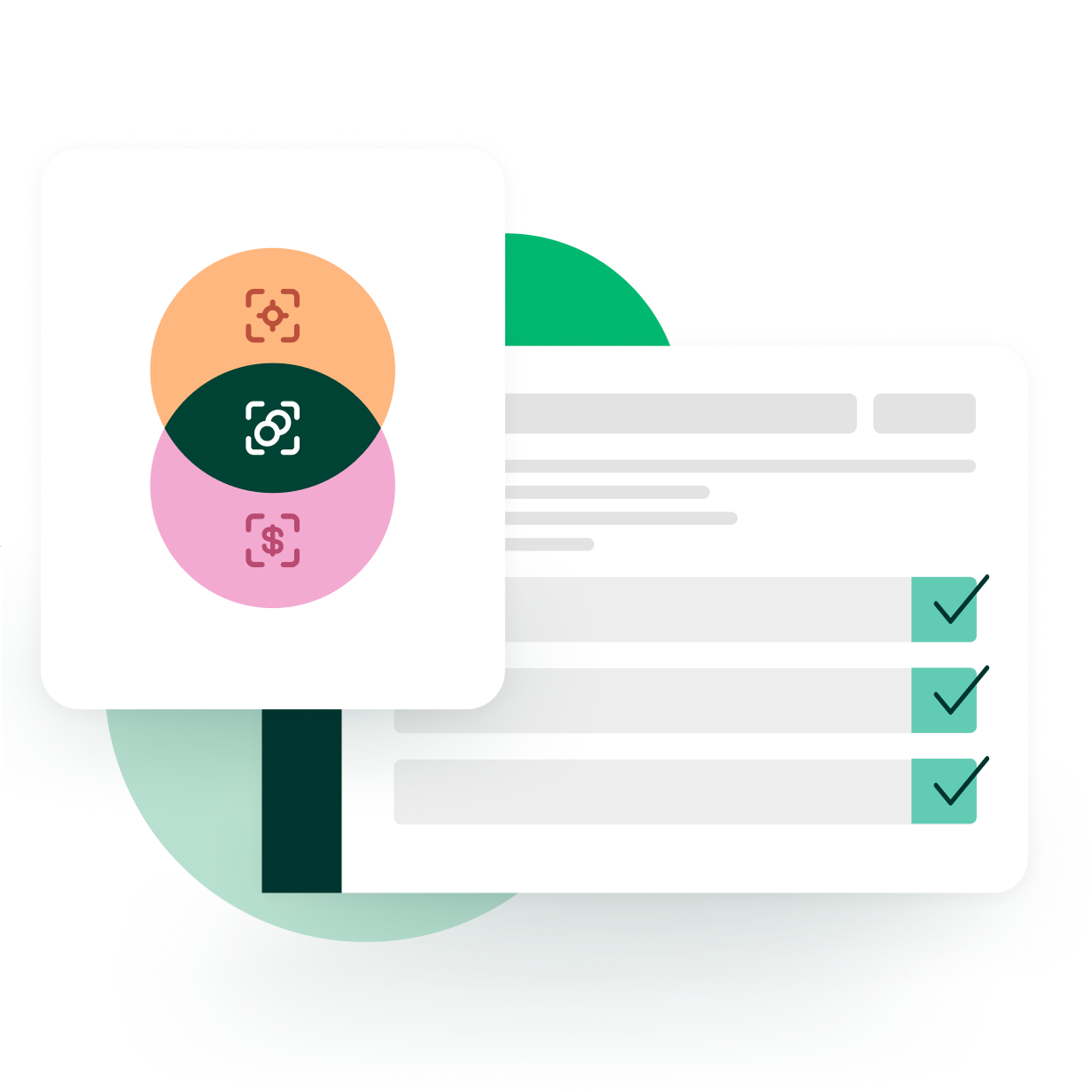
Double materiality and standardized metrics help identify ESG risks and opportunities across the value chain—supporting priorities like climate resilience and workforce stability.
Build credibility
Comparable data strengthens stakeholder confidence, reinforces brand trust, and prepares organizations for future regulatory expansion.
“We didn’t want to mix and match different systems for ESRS and carbon accounting. Position Green provided an integrated solution that covered both, which was a huge advantage.”
Andreas Liese, Global Head of Sustainability and Corporate Compliance at PolyPeptide
Our platform turns ESRS reporting into a business asset
Built for ESRS, from materiality to statement
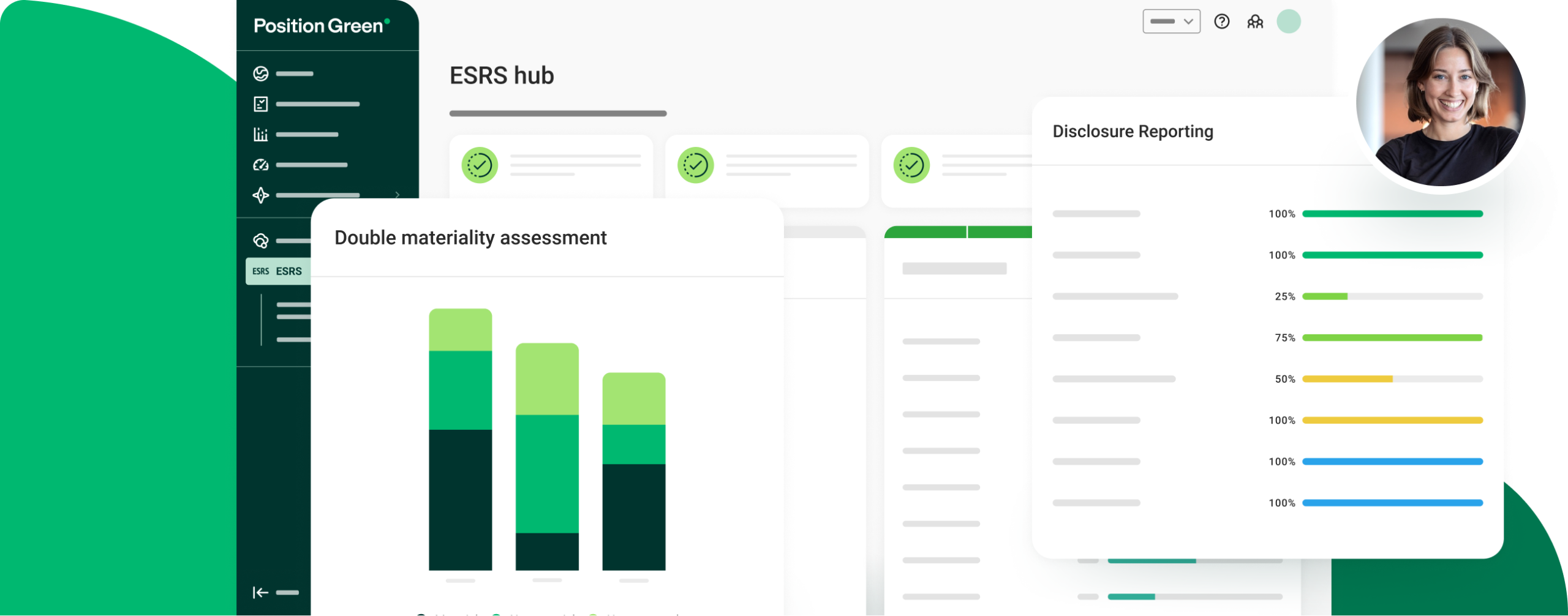
Our platform covers both the standard and Revised ESRS, without spreadsheets or patchwork tools. We help sustainability, finance, and compliance teams move faster with confidence.
Conduct a Double Materiality Assessment (DMA) aligned with ESRS
Use ready-made ESRS reporting templates
Create a complete, audit-ready sustainability statement
AI-powered, human tested
Automation accelerates ESRS reporting, but governance remains essential. Our AI capabilities reduce manual effort while preserving transparency and accountability, all quality assured by our team of in-house sustainability experts.
Upload documents and let AI pre-fill ESRS data
Gain full visibility and traceability into AI suggestions
Create approval workflows and consolidated sustainability statements
ESRS experts ready to lend a hand
Whether you’re starting from scratch or scaling your strategy, our in-house sustainability advisors are ready to lend their expertise when you need it.
Get an expert review of your draft sustainability report
Translate reporting requirements and strategy into a clear wireframe
Streamline your reporting through integrations and automations
Driving measurable results at scale:
70%
Faster ESRS reporting YoY
50%
reduction in manual admin
0%
Spreadsheet dependencies
100%
Transparent audit trail
Cut the time spent on ESRS reporting
Automate repetitive tasks and streamline your entire reporting process
Why should enterprise companies invest in ESRS reporting beyond compliance?
ESRS provides decision‑grade ESG data that supports risk management, capital allocation, and long-term strategy—far beyond meeting regulatory requirements.
How does ESRS reporting help CFOs and finance teams?
Standardized, auditable ESG data improves financial risk assessment, supports investor disclosures, and aligns sustainability performance with financial planning.
What makes ESRS different from previous sustainability frameworks?
ESRS introduces legally binding, detailed, and comparable standards—anchored in double materiality—creating a consistent ESG baseline across Europe and beyond.
How does ESRS reporting improve enterprise risk management?
By systematically identifying material ESG risks and opportunities, ESRS strengthens resilience across climate, supply chains, workforce, and governance.
Can ESRS reporting scale across large, complex organizations?
Yes. With the right platform, ESRS reporting can be standardized across entities, regions, and data sources—without increasing manual workload.
How does your platform ensure data quality and audit readiness?
We provide traceability, validation checks, expert guidance, and approval workflows—ensuring ESG data stands up to internal and external scrutiny.
How does ESRS prepare organizations for future regulations?
ESRS establishes a structured ESG data foundation that can be reused as regulations expand globally—reducing future compliance costs and complexity.